
Programs Designed for Lasting Recovery
Explore a wide range of treatment options tailored to meet individual needs across Long Island.
Covered by most insurance plans
Available to help you 24/7
Our Alcohol & Drug Rehab Programs
On Long Island, our network of trusted rehab programs offers comprehensive treatment options including detox, inpatient rehab, and outpatient programs. Each path is designed to meet the unique needs, circumstances, and recovery goals of every individual. By addressing the physical, emotional, and psychological aspects of addiction, these programs provide a structured foundation for true healing and long-term sobriety. With compassionate care, evidence-based therapies, and ongoing support, individuals gain the tools they need to overcome addiction and build a healthier, more fulfilling future.

12-Step
The 12-Step Program is a structured approach that helps individuals recognize the impact of addiction on their lives and embrace the importance of seeking support. At its core, it teaches that recovery is not a journey meant to be taken alone. Instead, progress is best achieved with the guidance of medical professionals, the encouragement of peers, and, for many, the strength of a higher power. The program is rooted in spiritual principles, but it is also flexible enough to welcome people of all beliefs and backgrounds.

Intensive Outpatient Program (IOP)
An IOP is a structured treatment program designed to address substance use disorders, alcohol dependency, and co-occurring mental health conditions such as depression or anxiety. Unlike inpatient care, IOPs do not require patients to live at a facility. Instead, clients attend scheduled sessions several times per week and return home afterward.

Faith-based Rehab
Christian-based treatment places faith in a Higher Power at the heart of recovery. Twelve-step programs like Alcoholics Anonymous (AA) and Narcotics Anonymous (NA) often emphasize this principle, reminding participants that healing is possible when we rely on something greater than ourselves.

Inpatient Rehab
Also known as residential treatment, inpatient addiction care is a multifaceted and intensive level of rehabilitation designed to treat and stabilize severe substance use disorders. Patients live onsite and receive round-the-clock professional care, continuous medical supervision from clinicians, and consistent emotional support.

Evening Intensive Outpatient (Evening IOP)
Overcoming addiction is not something anyone should face alone. For many people, the idea of leaving work, family, and responsibilities behind to enter an inpatient program feels overwhelming. Evening Intensive Outpatient Programs, often called Evening IOPs, provide a flexible alternative. These programs deliver professional, structured treatment while allowing you to maintain your daily commitments.

Long-Term Drug Rehab
Long-term rehab usually means living in a structured treatment facility for at least 90 days, though programs may last anywhere from three months to two years. The length of stay depends on the needs of the individual and the recommendations of the treatment team.
Medical-Assisted
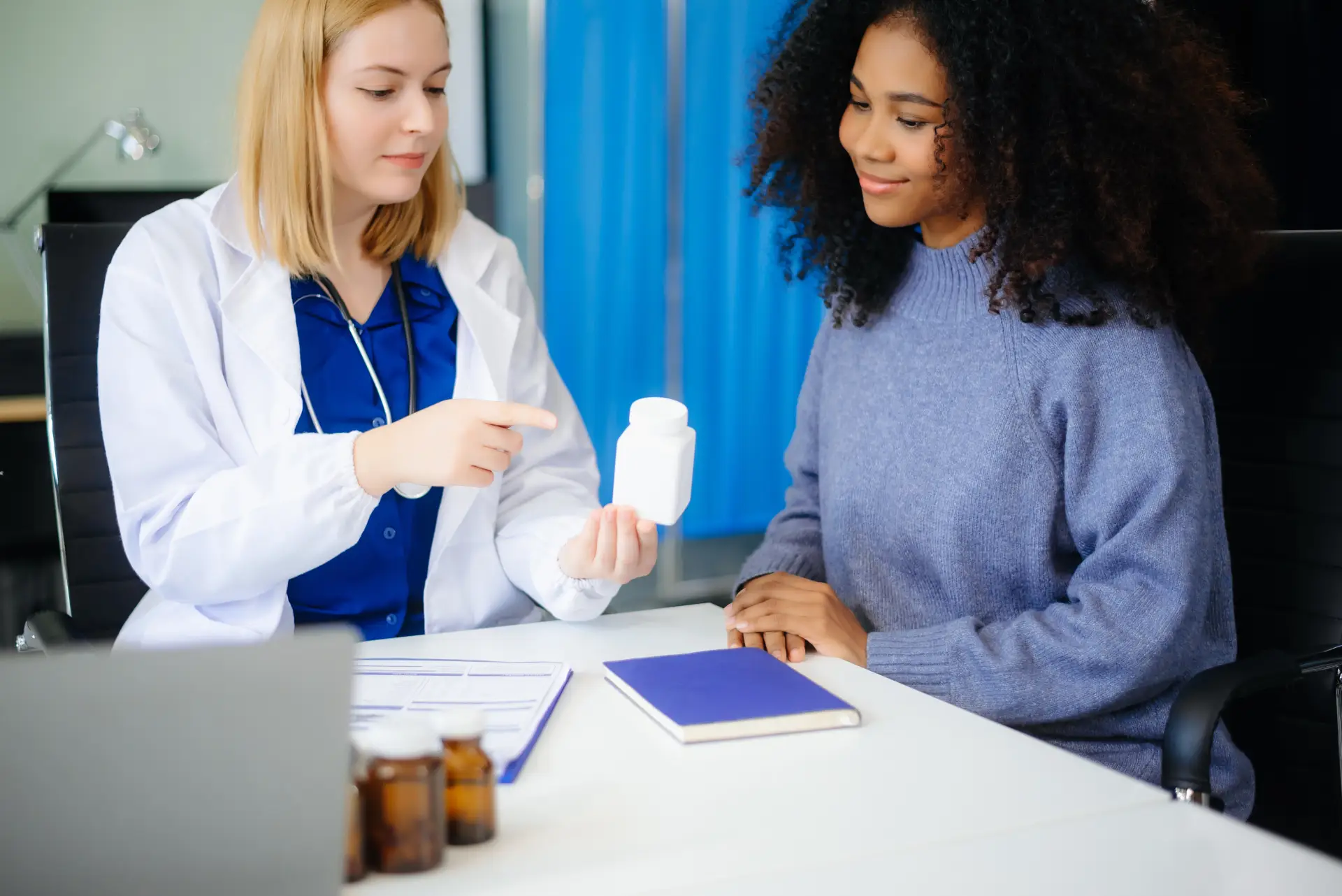
Medication Assisted Treatment combines FDA approved medications with counseling and behavioral therapies to treat substance use disorders. MAT is widely considered the gold standard for opioid use disorder whether the opioids were prescription painkillers or heroin and it is also used for alcohol use disorder in appropriate cases.

Outpatient
Substance use disorders can damage health, relationships, and careers. The good news is that treatment works, and outpatient rehab can help you turn your life around. Outpatient programs provide professional support without requiring overnight stays. They are especially effective for individuals who have completed detox or who do not require the intensity of residential care but still want structure and accountability in their recovery.

Partial Hospitalization
Seeking treatment for a substance use disorder is already a significant step, but when mental health challenges are involved, the process can feel even more complicated. Many people hesitate to commit to a full residential program, yet still need intensive, structured care. For these situations, Partial Hospitalization Programs (PHPs) offer a powerful option, delivering high levels of support while allowing clients to live at home.

Residential Treatment
Residential treatment, sometimes referred to as inpatient rehab, involves living at a treatment facility full-time while receiving round-the-clock care. Unlike outpatient care, where clients return home after sessions, residential treatment immerses individuals in a highly structured, supportive environment.

Sober Living
The Intensive Outpatient Program (IOP) empowers individuals to overcome addiction through structured, flexible care designed to support lasting recovery.

Aftercare
An aftercare plan is a personalized roadmap designed to help individuals succeed outside of the highly structured rehab environment.
Recovery is a lifelong process, and aftercare reflects that reality. While the most structured support is often recommended for the first 60 days post-rehab, some level of aftercare, whether through support groups, therapy, or sober living, should remain part of life indefinitely. The longer someone stays engaged, the stronger their chances of avoiding relapse and sustaining recovery.
Let today be
your Day 1
We'll get on a call, assess your health history, and verify your insurance. Today is Day 1. We can't wait to celebrate Day 1000 with you!
Fill out this simple form and we’ll call you right back.